Lions India Education Promotion Council
C/o. Lions India Office
Vishwa Yuvak Kendra, Pandit Uma Shankar Dikshit Marg
Teen Murti Marg, Opp. Chanakyapuri Police Station
New Delhi – 110 021
Lions & Leos Mark Environment Service Week, From April 18 to 26, 2026
When people think of environmental service, tree planting is often the first image that comes to mind. Across India, Lions are planting thousands of trees—but their work also demonstrates that protecting the environment calls for many different solutions.
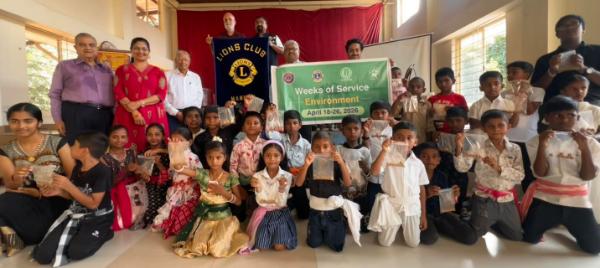
During Environment Service Week in April 2026, Lions and Leos across the country responded to local environmental challenges in ways shaped by the communities they serve. Some conserved water. Others restored green cover through Miyawaki forests, promoted renewable energy, recycled hazardous waste, cleaned rivers and public spaces, and encouraged more sustainable habits in schools and neighbourhoods.
What united these efforts is not a single activity, but a shared understanding that environmental stewardship begins with local needs. From rivers and farmland to forests and classrooms, Lions across several states turned that understanding into action.
…Your commitment, your leadership, and your care for our planet shows the world what Lions and Leos can accomplish together. This is why we serve, my friends. Through every effort to recycle responsibly and reduce e-waste, you transformed concern into action and helped build a more sustainable future.
~ A. P. Singh
International President
District 316D: A Week for the Earth
Environmental protection was one of District 316D’s core priorities for the Lions year 2025–2026 under District Governor V.V.P.S. Anjaneyulu. Environment Service Week brought the clubs’ year-round efforts together in a coordinated district-wide campaign.
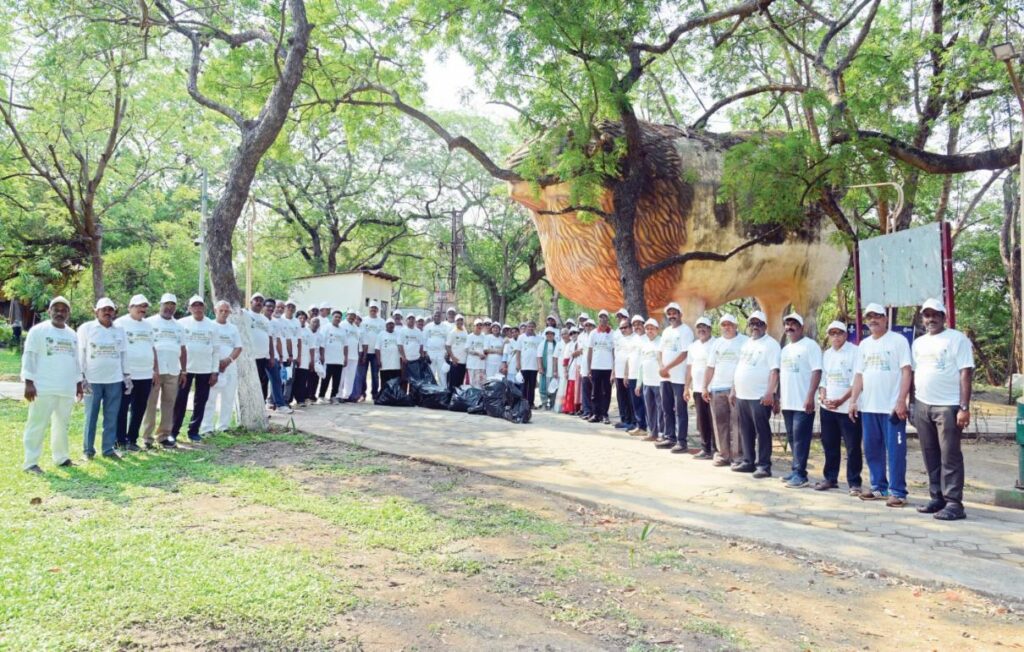
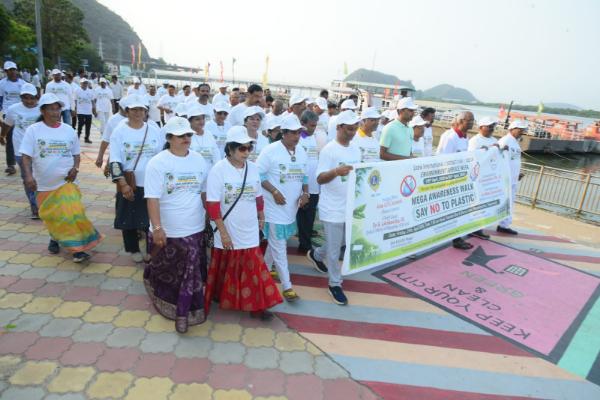
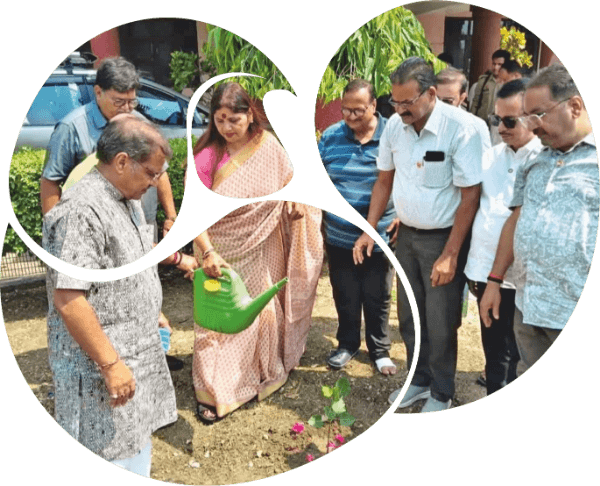
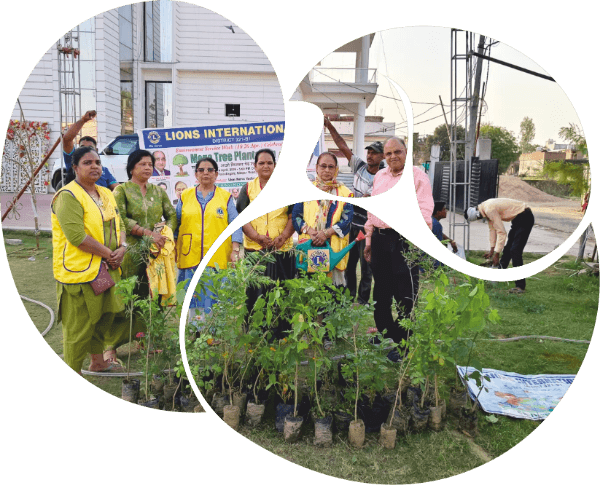
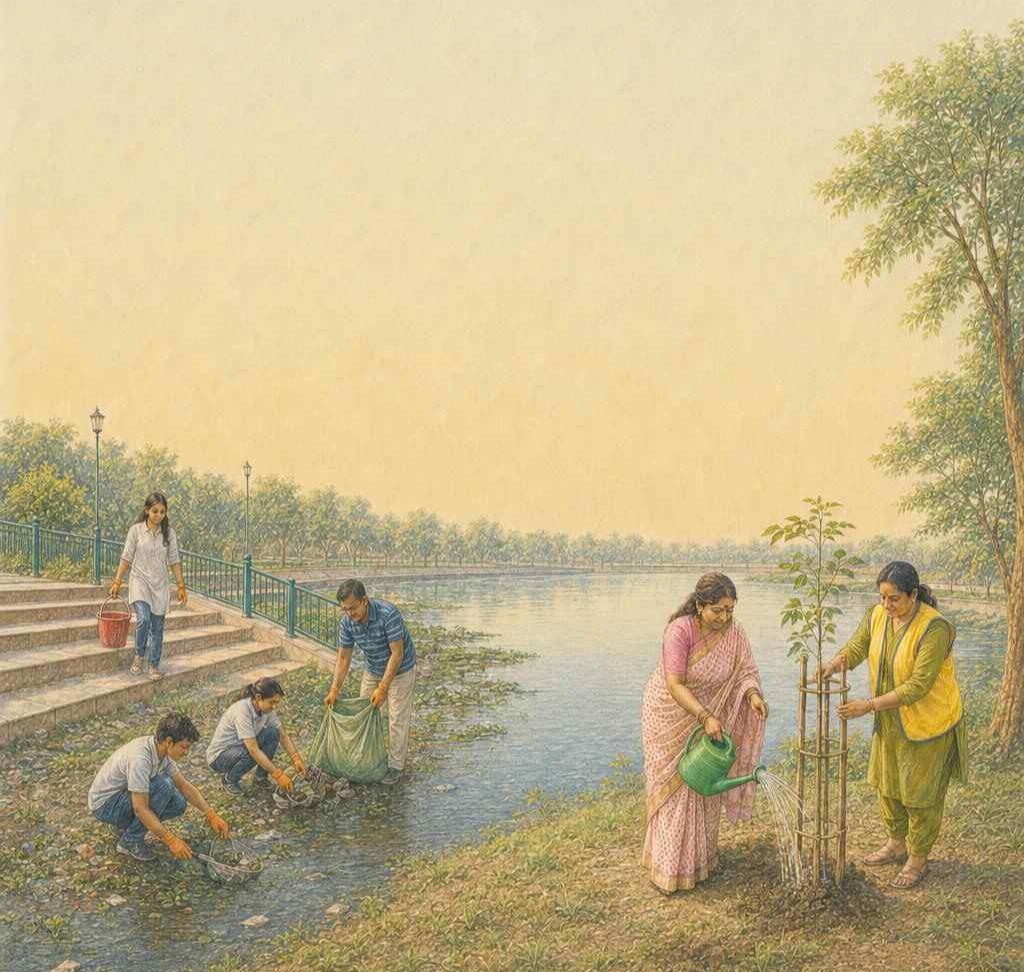
On April 24, the district’s flagship environment event brought roughly 300 Lions members to Punnami Ghat and Bhavani Island in Vijayawada for a cleanup and tree-planting drive. Shri Dhyanachandra H.M., IAS, Municipal Commissioner of the Vijayawada Municipal Corporation, attended as chief guest and praised the Lions’ longstanding humanitarian and environmental service, adding that members of his own family belong to Lions clubs.
Electronic waste is growing challenge around the world, impacting both people and the environment. Because of your service, harmful waste is being reduced and communities are becoming cleaner and safer. Your dedication reflects the true spirit of Lions and Leos. The work you are doing is helping protect our planet for future generations. Thank you for serving.
~ Fabrício Oliveira
Past International President & LCIF Chairperson
District Chairperson for Environment Ravi Krishna Rao distributed tree saplings worth ₹5 lakh to Lions clubs across the district that day, enabling clubs to expand plantation drives in their own communities through the week.
Clubs Take It Further
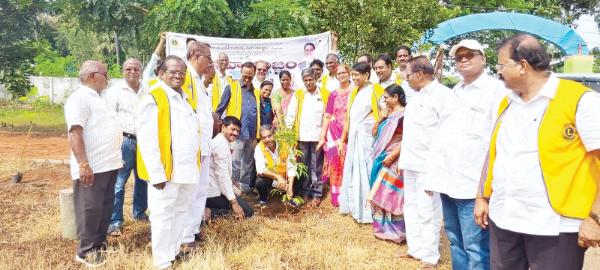
Individual clubs built on the district-wide initiative with projects of their own. Vissannapeta Lions Club planted trees across a school campus. Tiruvuru Lions Club greened the premises of the local Revenue Office. Vijayawada Vaibhavam Masters Lions Club distributed 6,000 saplings to 300 schools in and around the city. Gollapudi Keerthi Lions Club established a one-acre plantation at Rayanapadu, while Vijayawada Rural Lions Club distributed 1,500 cloth bags to encourage alternatives to single-use plastics.
Teaching the Next Generation
Alongside the plantation drives, Lion volunteers conducted environmental awareness sessions in 300 schools, explaining the impact of plastic pollution on rivers, lakes and marine ecosystems, while encouraging students to adopt cloth bags, reusable water bottles and other sustainable alternatives. The district has also urged its clubs to replace plastic banners with cloth ones at future events, extending the campaign’s message into everyday Lions activities.
District 317B: From Saplings to Solar
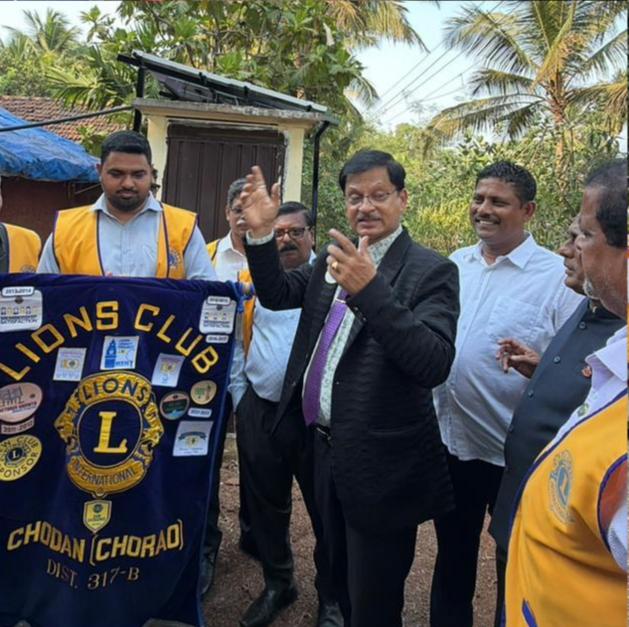
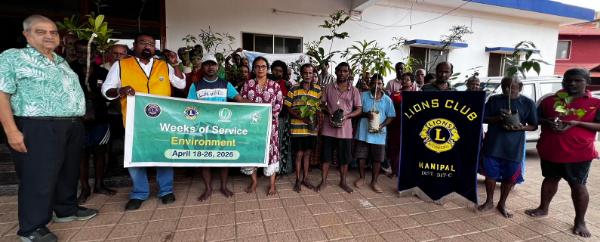
In District 317B too, environmental stewardship remained a year-round priority, with Environment Service Week 2026 bringing these efforts together in a coordinated campaign. From April 18 to 26, 82 Lions clubs and five Leo clubs carried out projects across Karnataka and Goa under the leadership of District Governor Jai Amol Naik PMJF and Environment Week District Coordinator Adrian Torres MJF. The campaign was conducted in association with the Forest and Agriculture Departments, schools, panchayats and NGOs.
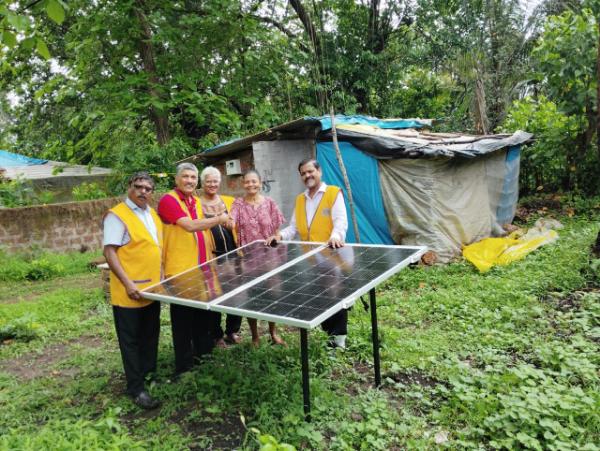
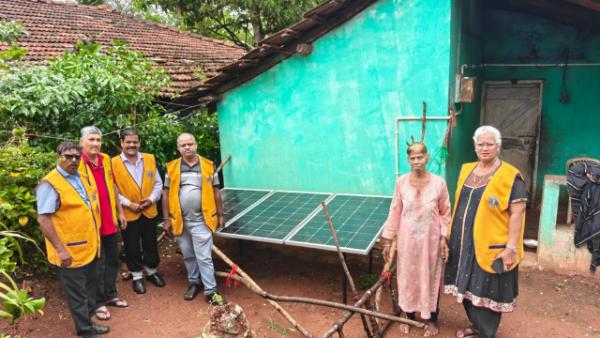
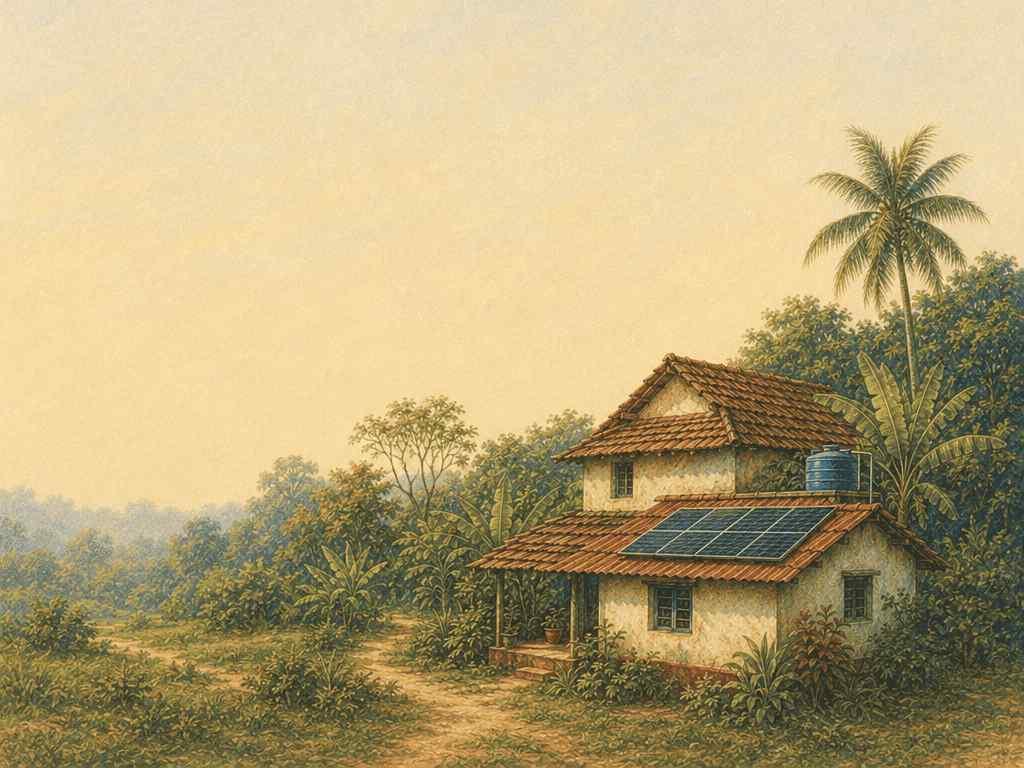
One initiative that stood out was the Suvarna Urja Solar Lighting Project. Five families now have solar power systems installed in their homes, providing access to cleaner energy while helping lower their electricity costs. The project – executed at a cost of ₹4 lakh – supports Lions International’s commitment to UN Sustainable Development Goal 7: Affordable and Clean Energy.
Alongside the solar initiative, the district distributed nearly 10,000 saplings and dispersed 5,000 seed balls across the two states. Lions also collected 6.3 tonnes of e-waste and 500 kilograms of pharmaceutical waste for safe disposal through authorised recyclers, keeping hazardous material out of landfills.
The district’s “No to Plastics” campaign drew in the wider community: senior citizens stitched reusable cloth bags, vendors pledged to reduce plastic use, and clubs promoted sustainable alternatives. District 317B also installed 300 sparrow houses to help revive the declining house sparrow population, while more than 5,000 students became “Green Heroes” through plantation drives, environmental education and community service.
District 317C: Building Forests, Block by Block
District 317C marked Environment Service Week with its own Green Initiative, bringing Lions and Leos together with schools, community organisations and local residents for tree planting and environmental awareness across the district. More than 3,000 tree saplings, valued at over ₹70,000, were planted district-wide.
Two Miyawaki forests—dense plantations of native species designed to grow far more quickly than conventional plantations—anchored the effort. One saw 600 saplings planted in the coastal town of Katapadi, in the Udupi district of Karnataka, while another added 299 saplings at SP Farms. At Hosabelaku Ashrama, an old age home, Lions set up a herbal garden with 150 medicinal plants. In the Sarlebettu community, residents joined Lions in planting 24 saplings to improve the local environment and provide long-term shade.
Lions and Leos, the service we're seeing clearly shows why environmental action matters and how much impact our service and compassion can have when we work together. This week gave us the opportunity to reflect on the importance of caring for the world we share. Your time, your effort, and your dedication to environmental service will continue to make a difference in communities long after this week has ended. Thank you for all the amazing work everyone.
~ Mark Lyon
International First Vice President
The district paired plantation with a seed ball program, distributing 1,000 seed balls at Vidyodaya and another 2,000 to 81 children attending a summer camp for the children of migrant labourers at Sarlebettu. The children were encouraged to disperse them at the onset of the monsoon, helping regenerate green cover while fostering environmental responsibility. Vidyodaya added ten more saplings on its campus, and Rajiv Nagar School received saplings for students to plant.
District 318A: From Rain Pits to Rallies
From biodiversity and water conservation to waste management, renewable energy and community clean-up, 154 Lions Clubs of District 318A carried the message of sustainability into towns, villages and neighbourhoods across Kerala.
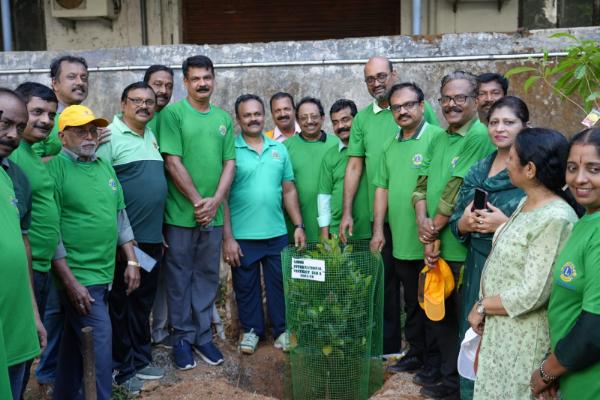
Tree plantation drives were accompanied by protective guards to improve sapling survival, while rain pits and soil conservation measures promoted responsible water management. Plastic-free campaigns, cloth bag distribution, e-waste collection drives and the installation of public dustbins encouraged cleaner surroundings and more sustainable waste disposal.
Working alongside Haritha Karma Sena, a network of women engaged in community waste management, Lions supported smart waste segregation and processing initiatives. Clean energy formed another important strand of the campaign, with clubs promoting renewable energy awareness and installing low-cost solar streetlights that provide safer public spaces while reducing dependence on conventional electricity.
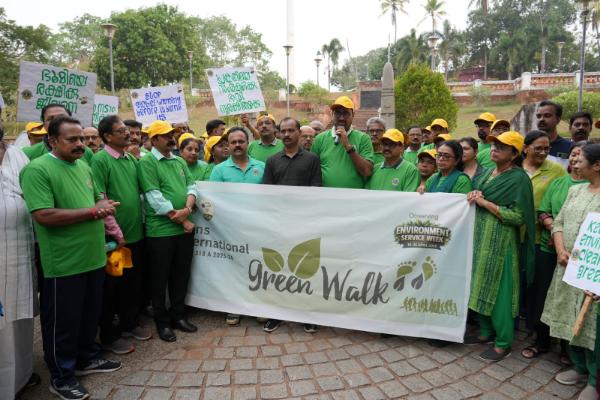
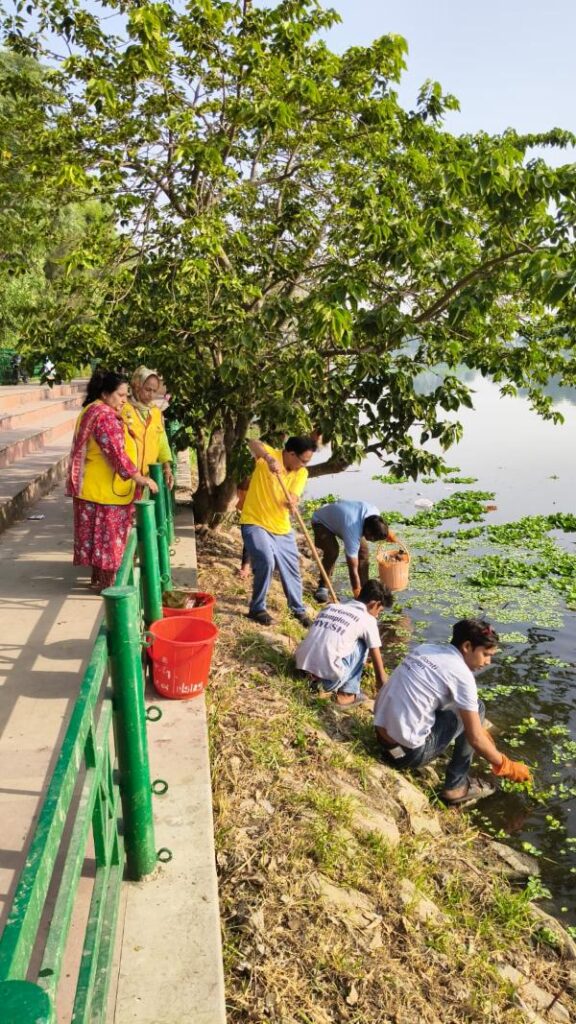
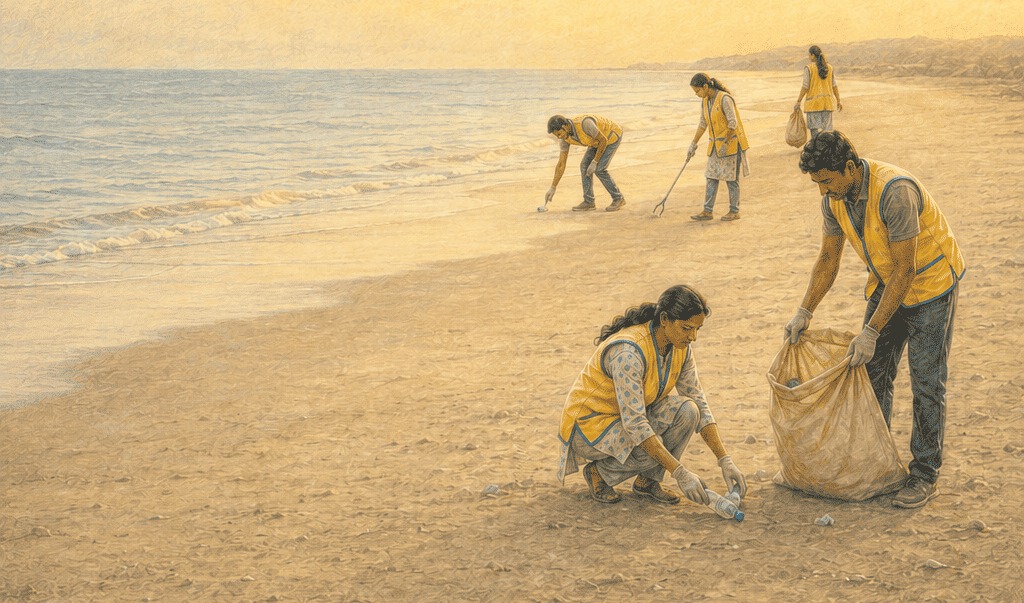
Lions volunteers also cleaned lakes, rivers, ponds and public spaces, renovated a community park, and conducted environmental awareness programs for residents’ associations, green volunteers and school students. The week concluded with Go Green rallies across the district, reinforcing the idea that protecting the environment is a shared community responsibility.
District 318C: A Green Space for Play
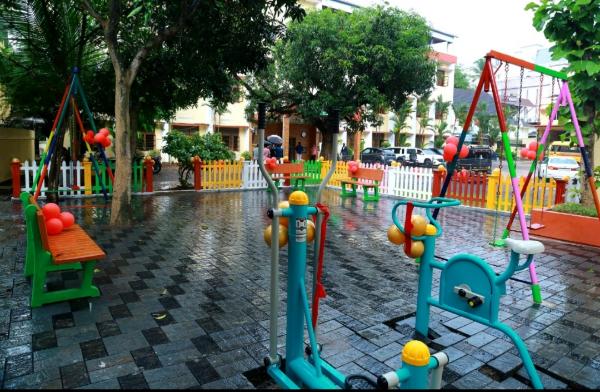
Environmental stewardship sometimes begins with creating places where people can enjoy the outdoors. Ernakulam Lions Club transformed an underused corner of St. Anthony’s School in Kacheripady, Kochi, into a vibrant children’s park and outdoor gym, creating a welcoming green space for recreation and exercise.
Shaded by mature trees, the fenced park combines brightly painted swings, benches and open-air fitness equipment in a setting that encourages children to play, exercise and spend time outdoors.
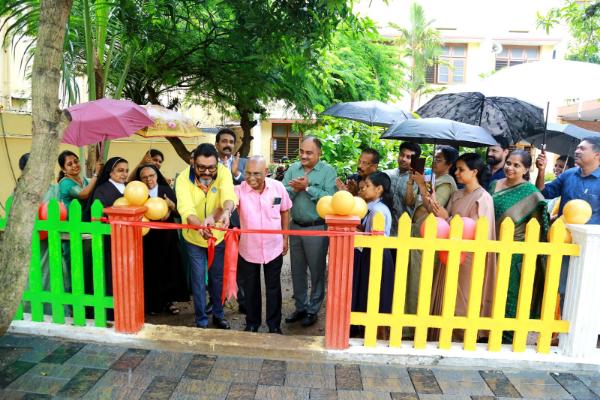
District Governor K.B. Shine Kumar and PDG T.A. Varkey inaugurated the facility in the presence of Sister Rose Margaret, Club President Joseph Mathew, and other community leaders.
At a time when many urban schools have limited outdoor play areas, the project shows how even a modest space can be reimagined into a lasting community asset. By combining greenery, recreation and outdoor fitness within the school campus, the club has created an environment that supports children’s physical well-being while strengthening their connection with the natural world.
It's heartwarming to see so many Lions and Leos dedicated to protecting the environment in their communities. You are all truly putting our mission into action and our service on full display. Your dedication to environmental service is inspiring. It demonstrates the power of collective action and just what we are capable of when we unite through service. It is a privilege to see Lions and Leos leading by example and making a lasting difference through your service.
~ Manoj Shah
International Second Vice President
MD 321: A Movement That Took Root
Between April 18 and 26, Lions clubs across MD 321’s ten districts completed 2,094 environmental service activities. The campaign formed part of a broader year-long effort that reached more than 2.18 million people during the Lions year.
Tree plantation formed the backbone of the campaign, but it was far from the only activity. Clubs carried out water conservation initiatives, recycling drives, environmental awareness programs and community clean-up campaigns in parks, schools, public institutions, residential neighbourhoods and other shared spaces. Together, the projects reflected a broad approach to environmental stewardship that combined conservation with public participation.
Lions and Leos, I'm honoured to be with you today to recognize and celebrate our impact through the weeks of service. As electronic waste continues to grow, your service helps protect our communities and our shared planet. Seeing your willingness to take action and care for the environment reminds me why our service matters so much. I am proud of the work that you have done and the impact you are creating together. Thank you Lions and Leos for your leadership, your service, and for helping build a better world.
~ Tony Benbow
International Second Vice President
Across the multiple, Lions also encouraged sustainable living through practices such as rainwater harvesting, solar energy, water recycling, composting, organic farming and waste segregation. Rather than treating these as isolated projects, many members adopted them in their own homes and communities, demonstrating practical ways of reducing environmental impact.
The campaign drew strong community participation. In District 321E, Babita Singh Chauhan, Chairperson of the Uttar Pradesh Mahila Aayog, joined a plantation drive with the Lions of Azamgarh, encouraging wider public involvement, particularly among women and young people. In District 321B1, Lions and Leos led by Environment Chairperson Rehana Huda organised a large-scale clean-up of the Gomti River in Lucknow, bringing environmental action directly to one of the city’s best-known public spaces.
District 3231-A2: Holding Back the Rain
Across parts of Murbad, Shahapur, Wada and Bhiwandi in Maharashtra, the monsoon often arrives with abundance, only for much of its water to disappear almost as quickly as it falls. District 3231-A2 set out to change that by building infrastructure designed to hold back rainwater and allow it to benefit communities long after the season ends.
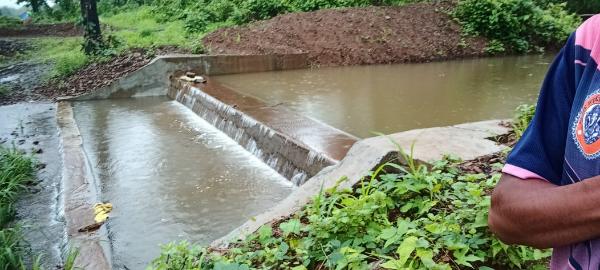
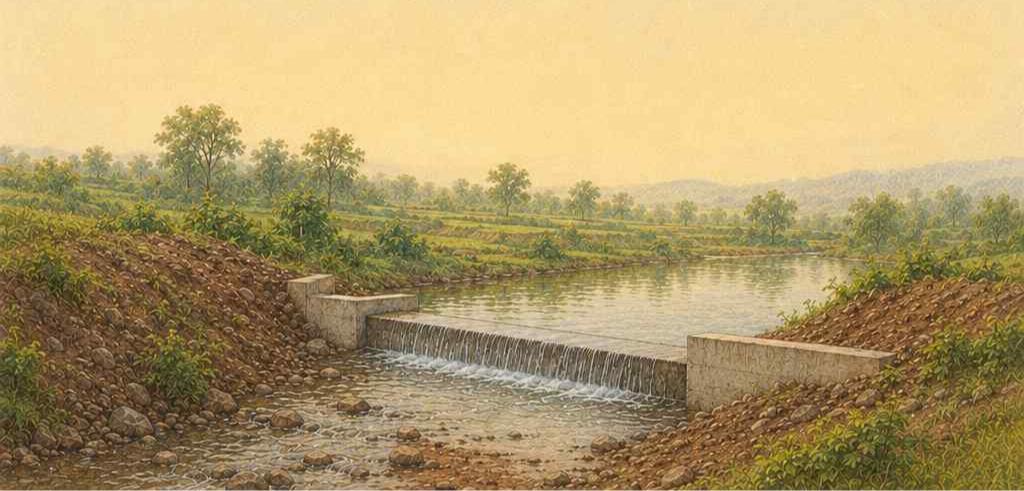
Under the leadership of MCC CA Manish Ladage, District 3231-A2 completed 50 concrete check dams across water-scarce villages. Built at a cost of approximately ₹3 crore through a combination of LCIF grants, Lions member contributions, CSR funding and public donations, the project addresses one of rural India’s most persistent environmental challenges: conserving water where it falls.
Together, the dams are expected to retain nearly 20 crore litres of rainwater every year that would otherwise flow away. The stored water recharges groundwater, improves access to drinking water in nearby villages and supports irrigation across nearly 2,000 acres of farmland.
The benefits extend well beyond water conservation. By making a second crop possible across 40 to 50 acres around each check dam, the project is expected to generate approximately ₹4 crore in additional farm income annually across 2,000 acres. This will strengthen livelihoods while reducing farming communities’ vulnerability to erratic rainfall.
Built in concrete with an estimated lifespan of more than 40 years, the check dams represent a long-term investment in both the environment and rural resilience.
Across districts, the projects differed in scale, setting and approach, but each responded to a need close at hand. Together, they showed that environmental service can take many forms—from changing everyday habits to building infrastructure that will serve communities for decades. What Lions and Leos set in motion during Environment Service Week is intended to endure well beyond it, leaving behind healthier communities and a greener inheritance.
Watch how Lions and Leos marked the Environment Service Week, across the world