

How an invasive weed is creating skills, products, and livelihood opportunities in Assam
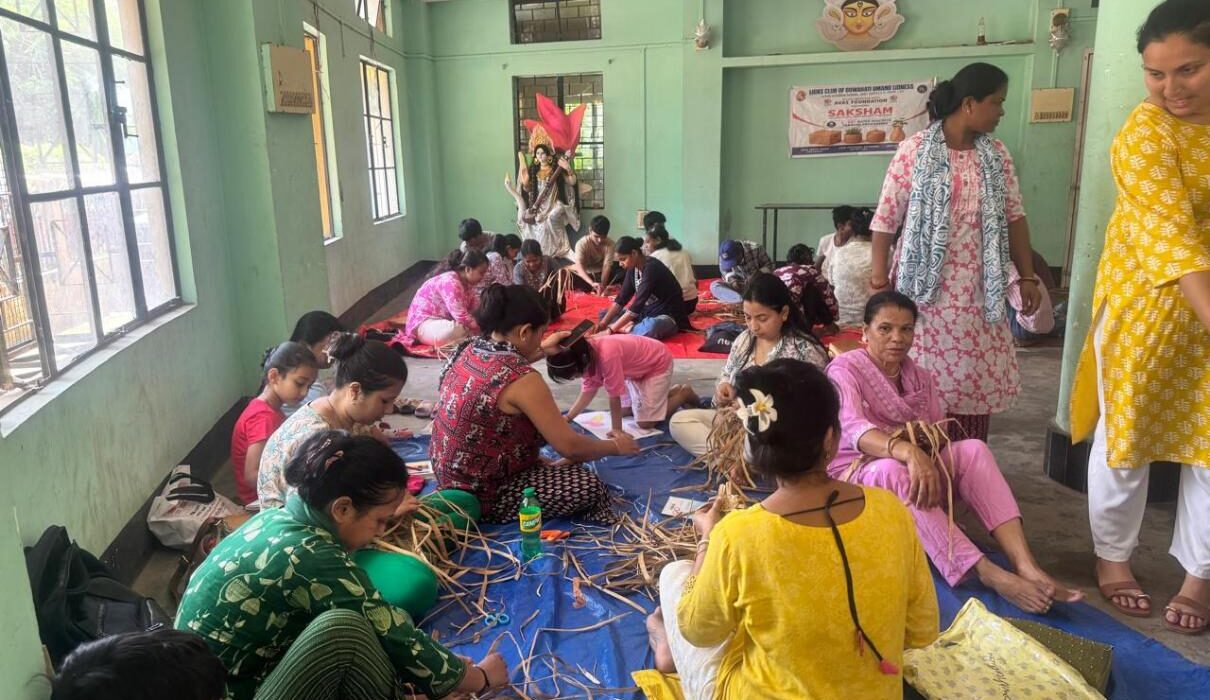
Across a workshop floor in Guwahati, participants worked with bundles of dried water hyacinth, learning how to shape the fibrous stems into baskets, trays, planters, boxes and coasters. By the end of four days, a plant known largely as an environmental nuisance had become the raw material for a possible livelihood.
Water hyacinth grows rapidly across Assam’s ponds and wetlands. The invasive weed blocks sunlight, reduces oxygen in the water and threatens aquatic biodiversity. Removing it helps protect water bodies; finding a productive use for it extends that benefit much further.
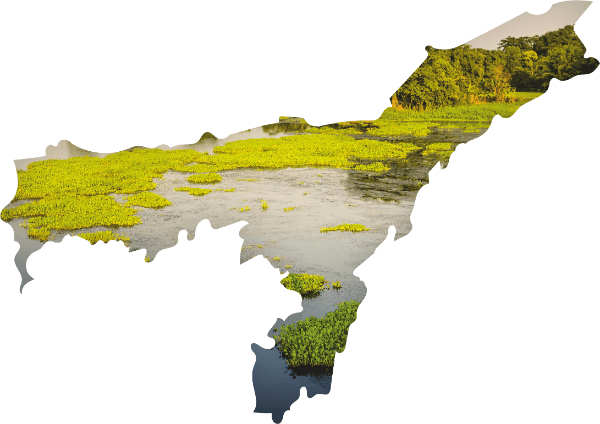
Guwahati Umang Lioness Lions Club, District 322G, explored this possibility through Saksham, a skill-development initiative conducted in partnership with Avas Foundation from July 1 to 4, 2026.
Thirty participants between the ages of 14 and 30 were trained to prepare and weave water hyacinth stems into biodegradable household and decorative products. The initiative went beyond teaching a craft. The Club also began creating avenues through which the trainees could sell what they made.
The first opportunity came from the Club itself, which placed an order for products to be used at its installation ceremony. Further possibilities are being explored through corporate gifting and gifts for Lions delegates. The products will also be displayed at the Club’s exhibition on October 6, with the income from sales going directly to the trainees.
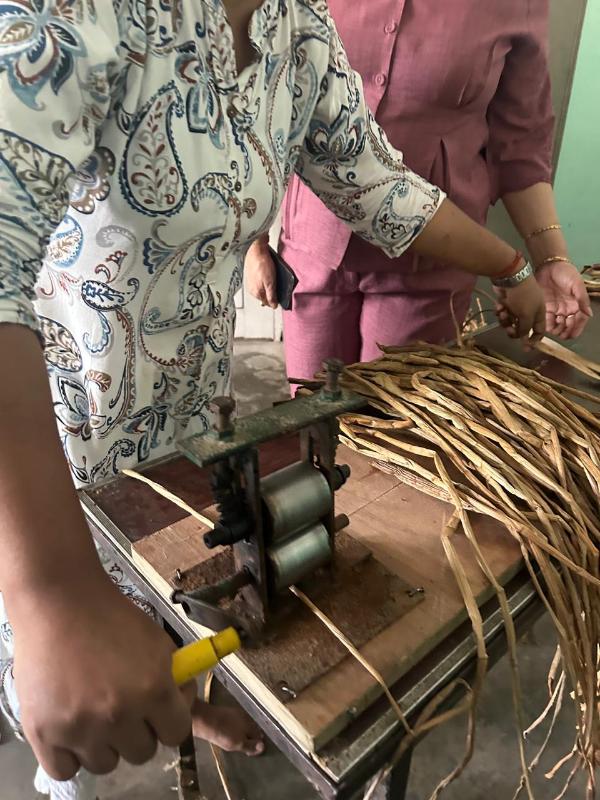
The next phase of the project will introduce one roller machine for every six trainees. The machines will help them process the stems more efficiently, increase production and undertake larger orders.
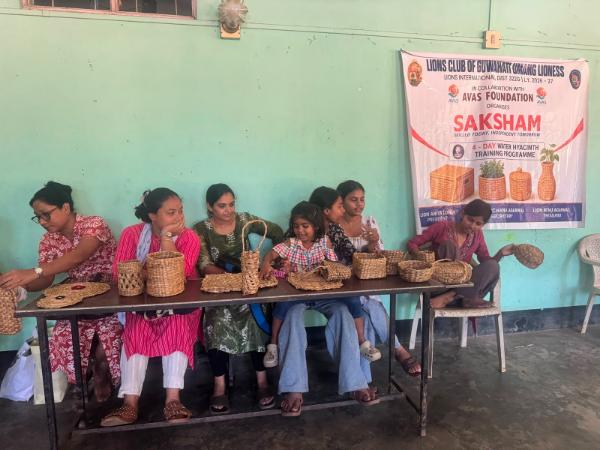
The workshop has already connected three needs: clearing an invasive weed, promoting sustainable products, and enabling young people to earn from a practical skill. More importantly, the Club has linked training with a market—giving participants a reason to continue practicing and producing after the workshop has ended.